Best Newborn Care Classes in NYC for Expecting Parents
From hospital-based programs to independent providers, here's how to find the right newborn care and infant CPR class before your baby arrives.
Why Newborn Care Classes Are Worth It
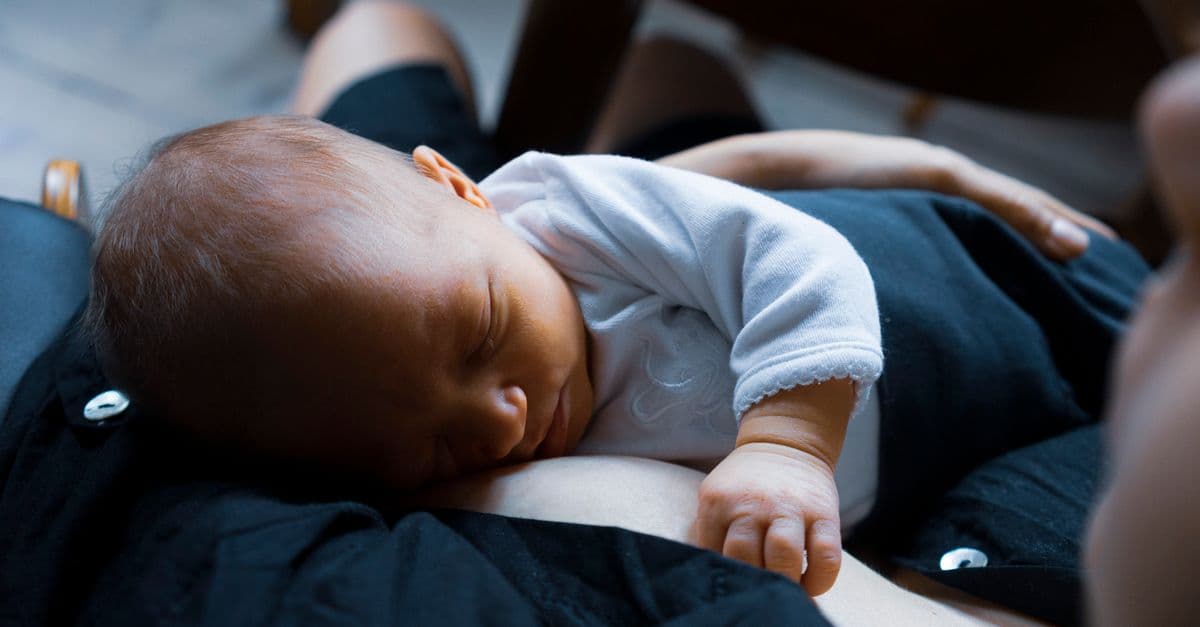
No amount of reading fully prepares you for those first few days home with a newborn. Newborn care classes fill in the gaps — how to swaddle, when to worry about a fever, what a real latch looks like, and what to do if your baby is choking. For first-time parents especially, even a few hours of hands-on instruction can make a huge difference in confidence.
The good news: New York City has genuinely strong options, from hospital programs (often free or low-cost for patients) to well-run independent providers. Here's what to know before you sign up.
Start With Your Delivery Hospital
Before you look anywhere else, check what your delivery hospital offers. Many NYC hospital systems run newborn care and infant CPR classes that are either free or deeply discounted for their own patients — and since you're already in their system, registration is usually straightforward.
NYU Langone
NYU Langone's Parent Education Classes include a well-regarded newborn care course as well as a dedicated infant CPR and choking class. Their CPR class covers both rescue breathing and how to respond to a choking infant — two distinct skills that are worth learning together. The program is open to the public, not just NYU patients, which makes it a strong option even if you're delivering elsewhere.
Weill Cornell
The Weill Cornell Expectant Parent Education and Wellness Program offers a range of prenatal and newborn classes for expecting parents. It's worth contacting them directly or checking with your OB if you're a Weill Cornell patient to find out what's included and whether there's a cost.
Mount Sinai West
Mount Sinai West's Birth & Newborn Care Classes are another solid hospital-based option, particularly if you're delivering at Mount Sinai. Their newborn curriculum covers the basics you'll actually need in those early weeks. Again, check with your provider about pricing and availability — it changes, and patients sometimes get priority access.
Independent Providers Worth Knowing
If your hospital's schedule doesn't work, or you want a more personalized experience, NYC has a few independent providers with strong reputations among local parents.
Birthsmarter
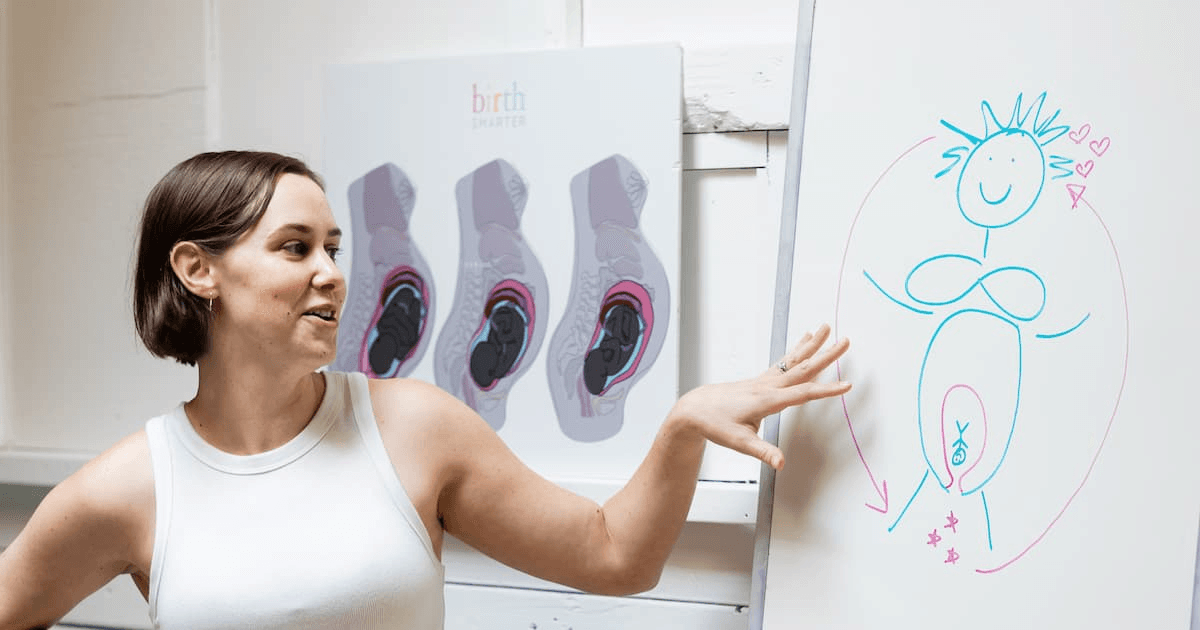
Birthsmarter is a popular choice for NYC expecting parents, offering childbirth education alongside newborn care content. Their classes tend to have a warm, approachable feel — less clinical than a hospital setting — and instructors are experienced in working with urban families navigating small apartments, no cars, and all the other New York-specific logistics. Check their current schedule for in-person versus virtual options.
Baby Academy
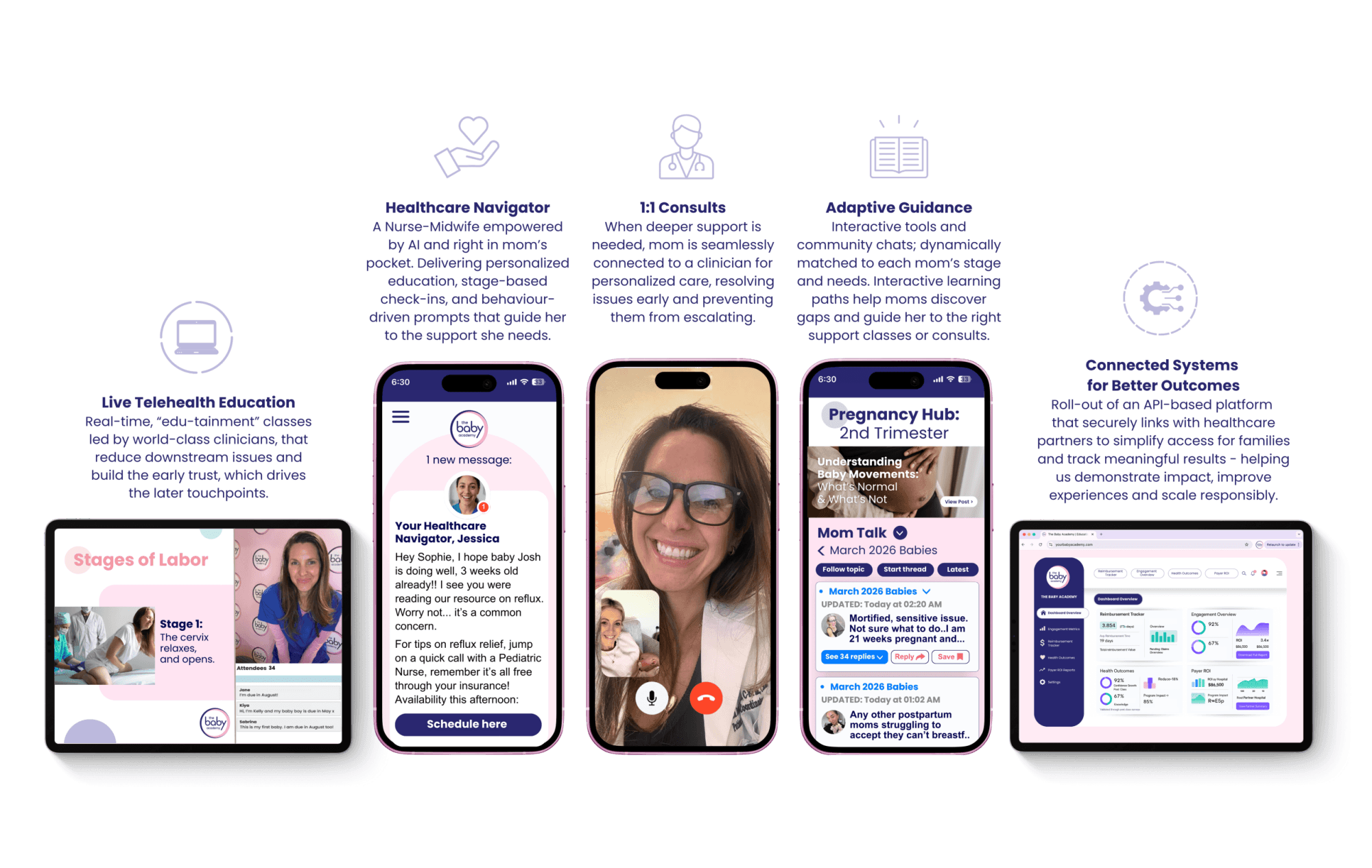
Baby Academy is particularly notable because their online newborn care classes may be covered by insurance — worth a call to your insurer before you pay out of pocket. This makes them a practical choice if you're trying to keep costs down or if your schedule makes in-person classes difficult to commit to.
In-Person vs. Online: What to Know
For general newborn care content — feeding, sleep, umbilical cord care, when to call the pediatrician — online classes can work well. You can pause, rewind, and take them at your own pace, which is genuinely useful when you're exhausted in your third trimester.
For infant CPR, in-person is strongly preferred. Practicing chest compressions and rescue breaths on a training mannequin is meaningfully different from watching a video. Muscle memory matters when you're panicking. If you do only one class in person, make it CPR.
Tips on Insurance Coverage
- Ask before you pay. Call your insurance provider and ask specifically about "childbirth education" or "newborn care classes" — coverage varies widely by plan.
- Check with Baby Academy directly. They have experience navigating insurance reimbursement and can help you understand what documentation you might need.
- Hospital classes may already be included. If you're a patient at NYU Langone, Weill Cornell, or Mount Sinai, ask your OB or midwife whether any classes are included as part of your prenatal care.
- FSA and HSA funds often apply. Even if your insurer won't cover the class directly, you may be able to use pre-tax FSA or HSA dollars for eligible classes.
When to Take These Classes
Most parents find the third trimester sweet spot — somewhere between 32 and 36 weeks — gives you enough time to absorb the information without forgetting it before the baby arrives. Infant CPR is worth taking close to your due date so the techniques are fresh. If your schedule is tight, prioritize CPR and choking response above everything else.
A Few Practical Logistics
- Many classes allow (and encourage) both partners to attend. Check whether tickets or registration covers one or two people.
- In-person classes typically run two to three hours. Plan for parking if you're not taking the subway.
- Some providers offer private or small-group sessions if you want a more tailored experience — useful if you have specific concerns or a complicated pregnancy history.
However you piece it together — one hospital class, one independent session, a mix of in-person and online — getting some structured preparation before your baby arrives is genuinely worth the time. You'll feel more ready, and more importantly, you'll have a better sense of when something is actually wrong versus totally normal newborn chaos.
Places mentioned
Birthsmarter
Award-winning, OB/GYN-approved childbirth and newborn education classes for expecting parents, offered in-person across Brooklyn and Manhattan, virtually, and on demand.
Greenpoint

Weill Cornell Expectant Parent Education and Wellness Program
Virtual childbirth prep and newborn care classes taught by certified nurse-educators through Weill Cornell Medicine's OB/GYN department.
Upper East Side

Mount Sinai West – Birth & Newborn Care Classes
Live virtual childbirth and newborn care classes at Mount Sinai West, taught by certified educators and open to expectant parents and the public.
Midtown West
Baby Academy
Live online classes in childbirth education, newborn care, lactation, and baby first aid—fully covered by most insurance plans, with paperwork handled for you.
Online
NYU Langone Health – Parent Education Classes
Childbirth, infant CPR, newborn care, and breastfeeding classes for expecting and new parents, offered live online, as self-paced eClasses, and in-person at NYU Langone campuses.
Kips Bay