Do You Need a Birth Doula in NYC? A Practical Guide for Parents
What doulas actually do, how to find one in New York City, and honest questions to ask yourself before you hire.
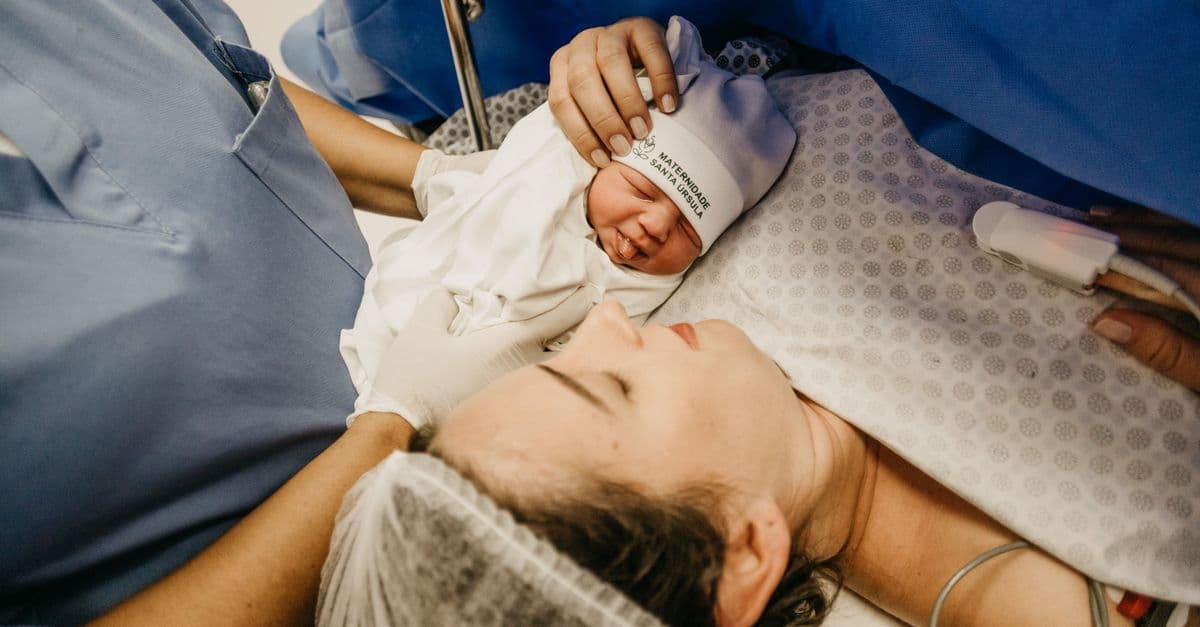
The honest answer: it depends
"Should I hire a birth doula?" is one of the most common questions among expectant NYC parents — and the honest answer is that it really does depend. On your birth goals, your personality, your partner's comfort level in a delivery room, and whether you happen to click with a specific person. There's no universal right call. What we can do is help you figure out if a doula makes sense for your situation.
What a birth doula actually does
A doula is a trained, non-medical birth support person. They are not a midwife or a nurse — they won't deliver your baby or monitor your vitals. What they do is stay with you continuously throughout labor, which hospital staff often can't promise to do.
In practice, that support looks like:
- Prenatal preparation: Usually two or more prenatal visits where you go over your birth preferences, pain management options, and questions to ask your OB or midwife team.
- Birth plan guidance: Helping you think through your preferences in a realistic, hospital-specific way — not just what you want, but how to communicate it to staff.
- Physical labor support: Positioning suggestions, counter-pressure for back labor, breathing cues, and helping you move around the room.
- Emotional support: Staying calm when things feel overwhelming, narrating what's happening, and helping you feel less alone between contractions.
- Partner support: Coaching a nervous partner on how to help — or giving them a break when they need one.
- The golden hour: Many doulas help facilitate skin-to-skin contact and the first latch immediately after birth, and keep that immediate postpartum window calm and uninterrupted when possible.
- Postpartum follow-up: Most doulas include at least one postpartum visit to debrief your birth experience and check in on early feeding.
- Birth photos: Some (not all) doulas offer this as part of their package — clarify upfront.
Who tends to benefit most
Parents who report the highest satisfaction with their birth doula tend to share a few things in common:
- They were pursuing an unmedicated or low-intervention birth and wanted someone experienced in supporting that.
- Their partner was anxious, uncertain, or had never been in a labor room before.
- They wanted an independent advocate — someone whose loyalty was entirely to them, not to the hospital.
- They were first-time parents who wanted more hands-on prenatal education than their OB visits provided.
- They had previous births that felt traumatic or unheard, and wanted to rebuild trust in the process.
On the other hand, some parents find doula support less critical if their hospital midwife team is already closely aligned with their preferences, or if a second (or third) labor moves so quickly that there's barely time for anyone to arrive.
Doulas are not regulated — and that matters
This is the part most doula marketing materials skip over, so we'll say it plainly: doulas in New York are largely unregulated. Certifications exist from organizations like DONA International and CAPPA, but certification is not legally required to call yourself a doula, and credentials vary widely.
Critically, doulas are not bound by HIPAA. That means they are not legally required to keep your medical information or birth details confidential the way a healthcare provider is. If a doula takes photos during your birth and posts them on Instagram, your recourse is limited to whatever you spelled out in your contract — so read that contract carefully.
There is also limited formal recourse if something goes wrong relationally or professionally. Vet thoroughly, check references, and trust your gut during the interview.
How to find a doula in NYC
Word of mouth from a trusted friend is still the gold standard, but most NYC parents don't have three doula referrals sitting in their back pocket. A few practical starting points:
- Your OB or midwife's office: Ask if they have a referral list. Some practices work regularly with specific doulas and can speak to how they show up in the room.
- Your birth hospital: Some NYC hospitals have lists of doulas familiar with their policies and culture — worth asking Labor & Delivery directly.
- Boober: A NYC-based platform that connects families with vetted doulas (and lactation consultants). It's particularly useful for finding early-career doulas who charge lower rates while building their client lists — a real option if budget is a constraint.
- Birth centers and childbirth education programs: If you're taking a class at a place like Mount Sinai West's Birth & Newborn Care, instructors often know local doulas or can point you in the right direction.
Questions to ask when you interview a doula
Plan to interview at least two or three candidates. Most offer a free initial call. Things worth covering:
- What's your training and certification, and how recent is it?
- How many births have you attended? What types of births — unmedicated, epidural, cesarean?
- Do you have a backup doula if you're unavailable when I go into labor? Can I meet them?
- What does your on-call period look like, and when do you come to us during labor?
- What's your philosophy on pain management? (Make sure it matches yours — if you plan to get an epidural and your doula is subtly judgmental about that, it's not a good fit.)
- Have you worked at my hospital before? Are you familiar with their policies?
- What does your postpartum support include?
- Do you take photos? What's your policy on sharing images — do you ask consent, and in what form?
- What's in your contract, and what happens if I have a cesarean?
Key questions to ask your hospital
Before you hire anyone, confirm your specific hospital's doula policies — they vary more than you'd expect across NYC.
- How many support people are allowed in the delivery room? (This matters especially if you also want a partner present.)
- Does your hospital have any restrictions on doulas during triage, or before you're admitted?
- Are there any circumstances — like a cesarean — where a doula would not be permitted in the room?
- Does the hospital have a list of doulas who have previously worked there?
Getting clear answers to these questions before labor day prevents real disappointment in the moment.
Red flags to watch for
Most doulas are caring, professional people. But some warning signs worth taking seriously:
- Pressure to commit quickly or skip the interview process
- Vague or verbal-only agreements about fees, backup coverage, and availability
- Strong judgments about epidurals, induction, or cesareans that don't leave room for your actual experience
- No backup doula plan, or a backup you can't meet before your due date
- Reluctance to discuss their photo/social media policy in writing
- References they can't or won't provide
What does a birth doula cost in NYC?
Rates in New York City vary widely — experienced doulas in high demand charge significantly more than those early in their careers. Some insurance plans cover doula care, and it's worth checking yours before assuming it's entirely out of pocket. Platforms like Boober can help you compare pricing across providers and filter by budget.
The bottom line
A good birth doula can make a meaningful difference — especially for first-time parents, those pursuing low-intervention births, or anyone who wants a consistent, dedicated advocate in the room. But the key word is good. Vet carefully, get everything in writing, confirm your hospital's policies early, and trust how you feel after the interview. The right doula should make you feel more confident, not more obligated.
Places mentioned

Mount Sinai West – Birth & Newborn Care Classes
Live virtual childbirth and newborn care classes at Mount Sinai West, taught by certified educators and open to expectant parents and the public.
Midtown
Boober
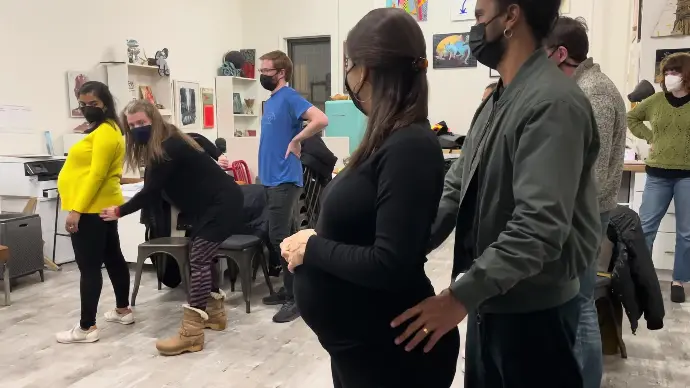
Park Slope-based perinatal education platform offering expert-led in-person classes in childbirth, infant CPR, lactation, and newborn care for NYC parents.
Park Slope