Best Infant & Baby Swim Lessons on the Upper East Side
A practical look at UES swim programs for babies and toddlers — what to expect, how they compare, and how to find the right fit for your family
Infant Swim Lessons on the Upper East Side: What Parents Actually Need to Know
If you've been searching for infant swim lessons on the Upper East Side, you already know the options can feel overwhelming — and the program descriptions on most websites are nearly identical. "Water safety," "fun environment," "building confidence" — sure, but which pool is actually stroller-friendly? Which program won't leave you on a six-month waitlist?
Here's a practical breakdown of the main UES programs that offer parent-child swim classes for babies and toddlers, with honest notes on atmosphere, scheduling, and what you're realistically signing up for at this age.
First, a Note on What Infant Swim Classes Actually Are
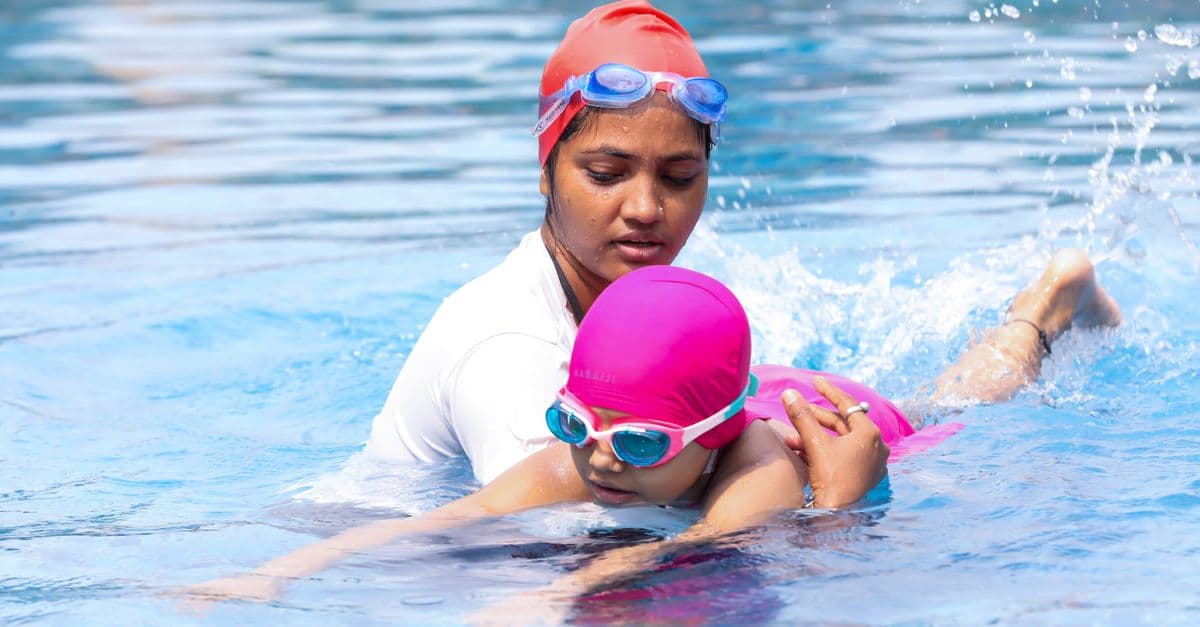
Before comparing programs, it helps to level-set expectations. For babies under 12 months — and often through 18 or 24 months — parent-child swim classes are primarily about water exposure and comfort, not skill-building. You'll be in the water with your child the entire time. Expect songs, splashing, gentle submersions (when you and your baby are ready), and a lot of kicking. This is normal and age-appropriate across every program listed here.
What this means practically: at the infant stage, the differences between programs are less about curriculum and more about logistics — pool size and temperature, class size, instructor patience, scheduling flexibility, and cost. Those are the things worth comparing.
SwimJim
SwimJim is one of the more distinctive options on the UES because classes are held in a pool inside a residential building rather than a traditional facility. That setup contributes to a notably intimate feel — class sizes are typically just two or three babies, which means instructors can give real individual attention even in a parent-child format.
SwimJim accepts infants starting at six months old, making it one of the earlier entry points on the UES. If you have a younger baby and want to get started, this is worth looking into first.
The small-group model does mean availability can be limited, so reach out early if you're planning ahead for a particular session. The cozy pool environment tends to feel less chaotic than larger facilities, which some parents prefer for young babies who are still getting used to water.
Goldfish Swim School – UES
Goldfish Swim School on E. 80th Street brings a more structured, curriculum-driven approach than some of the smaller programs. The level system is clearly defined, which makes it easier to understand where your child fits in and what they're working toward — even if progress at the infant stage is more about comfort than technique.
Goldfish tends to run a well-organized operation, and parents generally appreciate knowing what to expect from week to week. That said, it's a busier facility, and weekend morning slots in particular can feel crowded — both poolside and in the changing areas. If your schedule allows it, weekday or afternoon classes offer a noticeably calmer experience.
This is a solid choice for families who want a professional setup with clear programming structure and don't mind a larger facility vibe.
Asphalt Green
Asphalt Green on the UES has a well-earned reputation for quality swim instruction, and the parent-child classes for infants and toddlers reflect that. Instructors here are frequently noted for being especially patient and skilled at working with young children — a real plus when you're in the water with a baby who's not sure how they feel about any of this yet.
Asphalt Green is also praised for flexible level placement, meaning your child is more likely to be grouped with peers who are at a similar comfort and skill level rather than sorted purely by age. For toddlers especially, that flexibility can make a meaningful difference in how much they get out of each class.
The facility itself is large and well-maintained. Expect a more institutional feel than a boutique program, but with the staffing depth and scheduling options that come with a larger operation.
Vanderbilt YMCA
The Vanderbilt YMCA on 47th Street is worth considering if cost is a factor — it's generally the most affordable option among the programs listed here, and it carries a genuine neighborhood community feel that some families really connect with.
For infant and toddler swim programming specifically, it's worth contacting the Y directly to confirm current class offerings and availability, as schedules can shift by season. If you're already a YMCA member or interested in membership for access to other programs and facilities, the swim classes here can be an especially good value.
Penguin City Swim
Penguin City Swim is another UES option worth adding to your research list, particularly if the programs above don't have availability when you need it. Check their current schedule directly for infant and toddler class offerings.
How to Choose: Questions Worth Asking
- How old is your baby? Some programs start at six months, others at a different age threshold. Confirm before you register.
- What's your schedule flexibility? If weekends are your only option, check how crowded weekend sessions tend to be at your top choice.
- How does your baby handle new environments? A smaller, quieter pool setting (like SwimJim) may be worth the tradeoff in scheduling flexibility for a more sensitive baby.
- What's your budget? Per-class costs vary significantly between a YMCA and a private swim school. Factor in registration fees and whether classes are sold as packages or drop-ins.
- Is the facility stroller-accessible? This matters more than it sounds when you're solo-parenting a swim class. Call ahead and ask specifically about stroller storage and changing room setup.
The Bottom Line
At the infant stage, all of these programs are doing roughly the same thing — helping your baby get comfortable in the water in a safe, supervised environment. The right choice for your family comes down to what's closest to home, what fits your schedule, and which setup feels manageable on a Tuesday morning with a wet baby and a diaper bag. Any of these programs will give your child a solid start.
Places mentioned
SwimJim
Well-established NYC swim school with multiple Manhattan locations offering infant, toddler, and children's swim lessons in warm, indoor pools with USSSA-certified instructors.
Upper East Side
Goldfish Swim School – UES E. 80th Street
Play-based swim lessons for ages 4 months–12 years in a heated 90°F indoor pool on the Upper East Side, with max 4 students per class.
Upper East Side
Asphalt Green
Manhattan's only Olympic-sized pool, plus youth sports, swim lessons, and camps for kids from 4 months through teens on the Upper East Side.
Upper East Side

Vanderbilt YMCA
A full-service YMCA in Midtown East offering swim lessons, enrichment classes, and early childhood programs for kids from 6 months through teens.
Midtown East

Penguin City Swim
Top-rated NYC swim school offering infant, toddler, kids, and adult lessons in warm pools with small class sizes and flexible monthly enrollment.
Midtown East