How to Organize Toddler Toys in a Small NYC Apartment
Smart storage and rotation strategies that actually work when you don't have a playroom — or much floor space
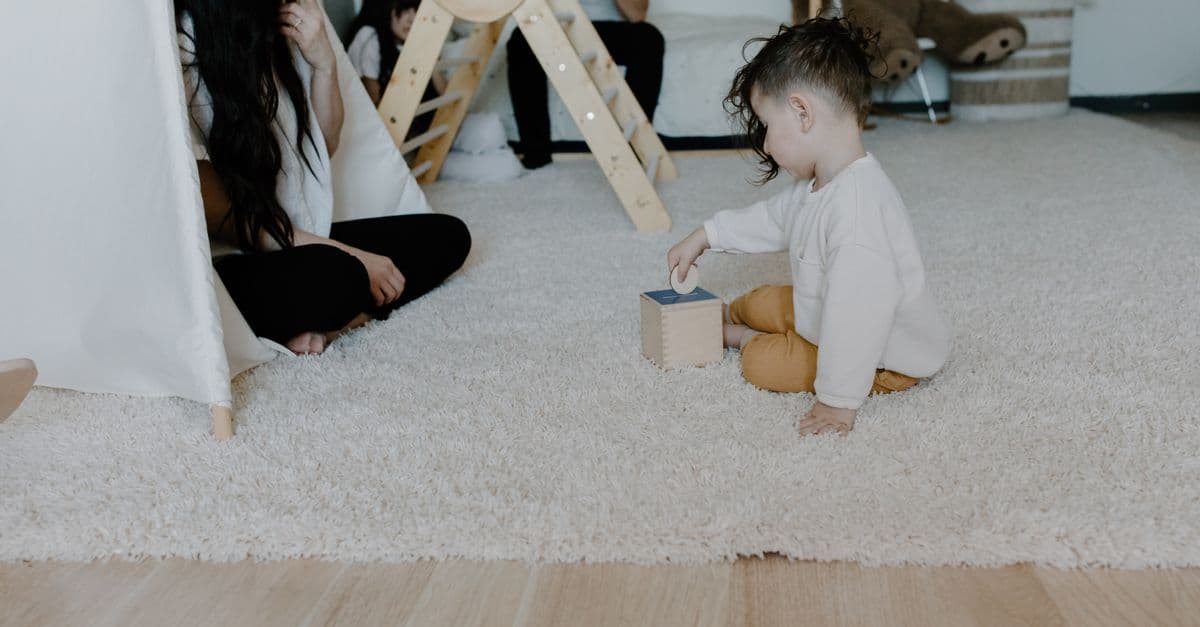
The NYC toy problem is real
If you live in a one- or two-bedroom apartment in New York City, you already know the feeling: somehow, despite your best intentions, the living room is covered in trucks, the hallway has a xylophone in it, and there are approximately 47 puzzle pieces under the couch. You do not have a playroom. You probably don't have a mudroom, a basement, or even a proper coat closet. And yet the toys keep coming — from grandparents, from birthday parties, from those well-meaning neighbors down the hall.
The good news is that NYC parents have gotten genuinely creative about this, and the strategies that work here tend to work really well. Here's what actually helps when space is tight and your toddler's stuff is threatening to take over the apartment.
Start with toy rotation — it's a game changer
Toy rotation is probably the single most effective thing you can do in a small space, and it has a bonus benefit most parents don't expect: toddlers actually play longer and more independently when they have fewer choices in front of them.
The basic idea is simple. Instead of having everything accessible all the time, you keep just a small selection out — somewhere between two and five items, depending on your child's age and attention span — and store the rest. Every week or two, you swap some items in and out. Toys that have been in the bin for a few weeks feel brand new again when they come back out, which means fewer "I'm bored" moments and less toy clutter on your floor.
How to set up a rotation system
- Pick a storage spot for the "away" toys. This could be a high shelf in a closet, a set of bins under the bed, or — for families with a lot of stuff — a small off-site storage unit. Clear bins with lids work well because you can see what's inside without labeling everything.
- Keep the accessible toys in one or two defined spots. A small basket in the living room and a bin in the bedroom is a manageable setup. When toys leave those spots, they go back or they go into rotation.
- Rotate on a loose schedule, not a strict one. Some families swap every Sunday evening; others do it when they notice their toddler has stopped engaging with what's out. Follow your kid's lead.
Organize by category, not by room
When you're working with limited space, splitting toys by type — and then deciding where each category lives based on where it actually gets used — tends to work better than trying to keep everything together.
A practical approach that many NYC families land on:
- Bedroom: Larger floor pieces like ride-ons, a small Pikler triangle, or a play tent. These take up real square footage but fit better in a bedroom where they're not in the middle of foot traffic.
- Living room: Smaller, portable toys that work on a coffee table or the floor — blocks, small figurines, art supplies, board books. Bins that can be pushed under a console table or tucked into a cabinet work great here.
- Kitchen or dining area: Sensory play, playdough, and messy art activities are easier to manage near a sink. A shallow tray or a plastic bin on the kitchen floor can sub in for a dedicated sensory table.
Labeled bins make a real difference
For toddlers who are starting to understand categories, labeled bins — even with pictures rather than words — can genuinely help with cleanup. Try groupings like animals, vehicles, art supplies, and dress-up. You don't need anything fancy; repurposed containers or basic fabric bins from a discount store work just fine.
Choose gear that earns its square footage
In a small NYC apartment, every piece of large play equipment needs to justify the space it takes up. Some things are worth it; others aren't.
Worth considering
- Collapsible Pikler triangles: The fold-flat versions are a genuinely good investment for small apartments because they can slide under a bed or into a closet when not in use, rather than living permanently in the middle of your floor.
- Play couches (like Nugget-style foam couches): These pull double duty — they work as seating in a living room or bedroom, and toddlers treat them as climbing structures, couch forts, and reading nooks. They're not cheap, but they replace several single-purpose toys.
- Open-ended toys: Blocks, magna-tiles, and simple figurines take up less space than elaborate playsets, last longer developmentally, and rotate well.
Think twice about
- Large plastic playsets that serve one purpose and can't be stored flat
- Battery-operated toys that are loud, large, and lose interest quickly
- Anything that requires dedicated floor space to set up and doesn't fold or pack away
Build a regular donation habit
In a small apartment, the only sustainable approach to toy accumulation is an equally consistent outflow. Gifts from well-meaning relatives, party favors, happy meal toys — it adds up fast, and a twice-a-year purge isn't enough.
A few approaches that NYC families find manageable:
- Stoop drop or building lobby drop: Toys that are in good condition but no longer used can go in a box outside your building. They disappear quickly, which is both efficient and satisfying.
- One-in, one-out rule: Before a birthday or holiday, set aside a bag of items to pass along to make room for what's coming. It helps to do this with your toddler involved — letting them choose what to give away builds the habit early.
- Communicate with gift-givers: It can feel awkward, but gently letting grandparents and close family know that you're short on space — and suggesting consumables, experiences, or specific needed items instead — really does make a difference over time.
Make peace with imperfection
No system works perfectly all the time, especially with a toddler who has strong opinions about where things should go. The goal isn't a magazine-ready living room — it's a space that feels manageable for you and engaging for your kid. Even getting 70% of the way there with rotation and categorization will make a noticeable difference in how the apartment feels day to day.
Start small: pick one area, set up one rotation bin, and see how it goes. You can build from there.