Is the Tenement Museum Worth It for Kids?
An honest look at which ages thrive on these tours, which to book, and what parents should know before they go
The Short Answer: Yes — With the Right Kid and the Right Tour
The Tenement Museum on the Lower East Side is one of those rare NYC cultural experiences that can genuinely move a child — but it's not a slam dunk for every age or personality. Before you book, it helps to know what you're actually getting into: a series of guided tours through small, preserved tenement apartments where families once lived, worked, and struggled. You don't roam freely. You stand in close quarters and listen. For the right kid, it's unforgettable. For a restless six-year-old, it can be a long hour.
Here's a practical breakdown to help you figure out whether this is a good fit for your family right now.
Age Guidance: Who Gets the Most Out of It?
Under 8: Probably Not Yet
Babies and toddlers are genuinely not a good fit here. The apartments are small and cramped — there's no room to maneuver a stroller, and there's very little a toddler can touch or explore. Even energetic five- and six-year-olds tend to struggle with the standing-and-listening format. Save this one for later.
Ages 8–9: Depends on the Kid
Some kids in this range have a great time, especially if they're coming with a school group where a teacher has done prep work in advance. On a family visit, it really depends on your child's interest level and patience. If your third-grader is deep into a history phase or has a family connection to immigration or the Lower East Side, it could work beautifully. If they tend to need hands-on engagement to stay focused, it's a tougher sell.
Ages 10 and Up: The Sweet Spot
This is where the museum really shines. Kids who are 10 and older — and especially tweens — are developmentally ready to absorb the stories being told and connect them to things they've learned in school about immigration, labor history, and what it meant to come to America with almost nothing. The emotional weight of being physically inside these spaces lands differently than reading about them in a textbook.
Which Tour Should You Pick?
Not all tours are created equal when it comes to family visits. Here's what to look for when you're browsing the booking page.
The Confino Family Tour
If you have younger kids in the 8–12 range, look for the Confino family tour — this is the most interactive option, featuring a costumed actor who plays a young immigrant girl from the early 1900s. She engages visitors directly, asks questions, and makes the history feel alive rather than observed. For kids who need a little more spark to stay engaged, this format is significantly more effective than a traditional guided walk-through.
The 1960s–70s Era Tour
For older tweens and teenagers, a newer tour focused on the more recent history of the building — covering the mid-to-late 20th century — tends to land well. The era feels more familiar and the social history (civil rights, urban poverty, community organizing) connects to things kids are often already thinking about. This one is worth checking availability for if you have a middle schooler in tow.
General Tips for Booking
- Tours fill up, especially on weekends — book online in advance rather than walking up.
- Check the museum's website for any family-specific programming, which can vary by season.
- Tours run about an hour. Build in time before or after to walk the neighborhood.
What to Expect Inside
The apartments themselves are preserved rather than restored — meaning they look worn and real, not like a movie set. That authenticity is exactly the point, and it makes a big impression on kids who are paying attention. But the spaces are genuinely tight. You'll be standing for most of the tour, and the group size is limited, which helps but doesn't change the fundamental format.
There's no "please touch" interactivity in most of the apartments, which is a real caveat if your child learns by doing. The Confino tour is the exception to this, which is another reason it tends to work better for younger or more active kids.
What Makes It Land
The families and children who get the absolute most out of the Tenement Museum are those who come with some personal context — a family history of immigration, a heritage connected to the Jewish, Italian, or other communities who lived here, or a school unit they're in the middle of. If your kid has already been asking questions about where your family came from, or recently learned about Ellis Island, this is a natural and powerful next step.
It also helps to do a little prep beforehand. Even five minutes talking about what immigration meant — leaving everything behind, arriving somewhere unfamiliar, not speaking the language — makes the tour land harder in the best way.
While You're in the Neighborhood
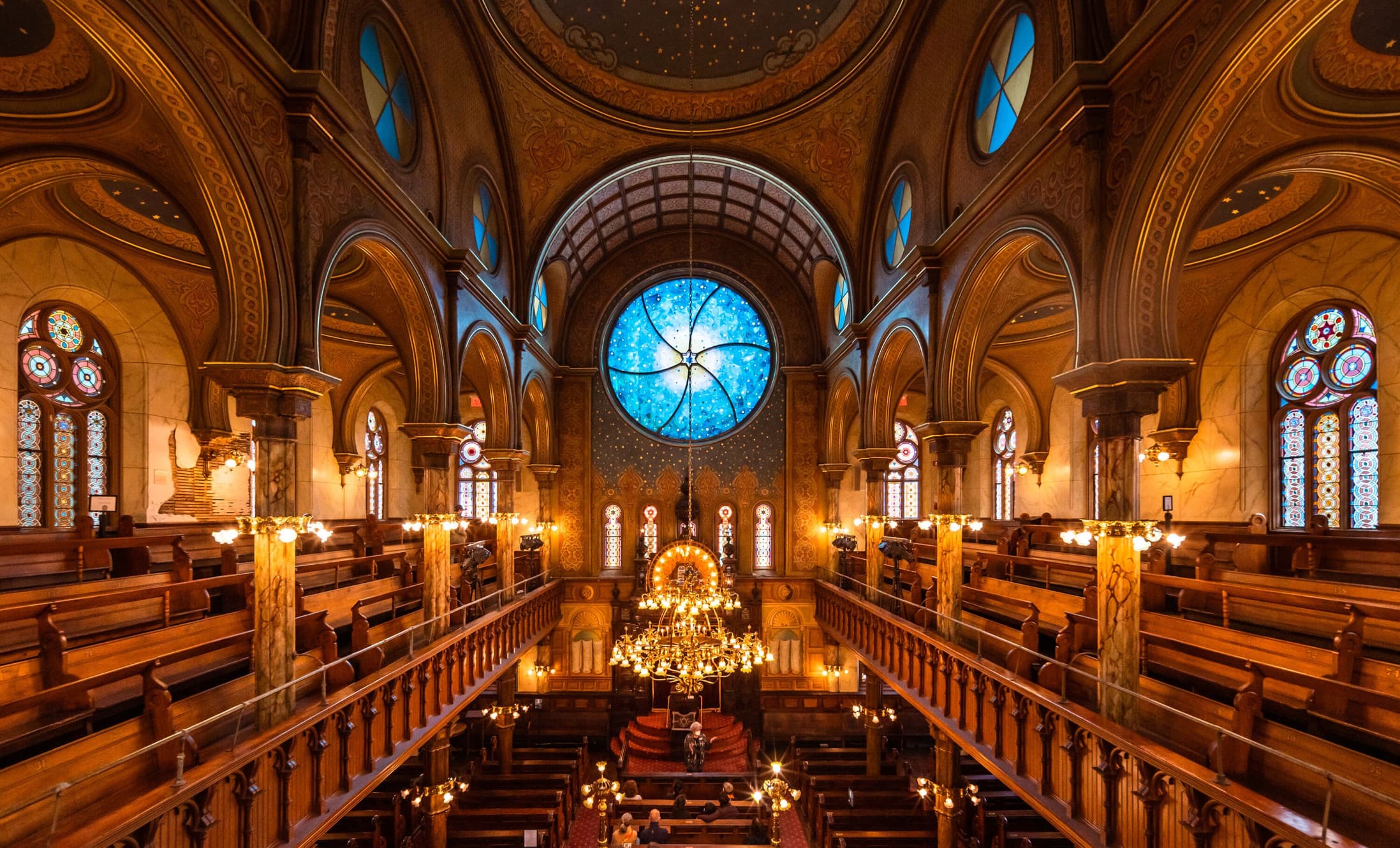
The Lower East Side is a great place to spend a half-day with older kids. After your tour, consider walking a few blocks to the Museum at Eldridge Street, a beautifully restored synagogue that offers its own family walking tours focused on the history of the neighborhood. Seeing both in one visit gives kids a richer sense of what this part of the city was like at the turn of the last century. The surrounding streets still have traces of that era if you know to look for them.
The Bottom Line
The Tenement Museum is one of the most genuinely moving historical experiences in New York City — for the right age. Plan for kids 10 and up, book the Confino tour if you have younger or more active children, and do a little homework beforehand. This isn't a drop-in museum with open galleries to wander; it's a structured, intimate experience that rewards preparation and curiosity. When it works, it really works.
Places mentioned
Tenement Museum
A guided-tour-only museum inside real historic tenement apartments on the Lower East Side. Best for kids 8+; the hands-on Confinos tour welcomes ages 5+.
Lower East Side
Museum at Eldridge Street
A stunning 1887 National Historic Landmark synagogue on the Lower East Side offering docent tours, family programs, and walking tours exploring Jewish immigrant history.
Lower East Side