How to Help a Reluctant Toddler Warm Up to Swim Lessons in NYC
Tears at the pool edge don't mean your child isn't ready — here's how to find the right format, instructor, and patience for the long game
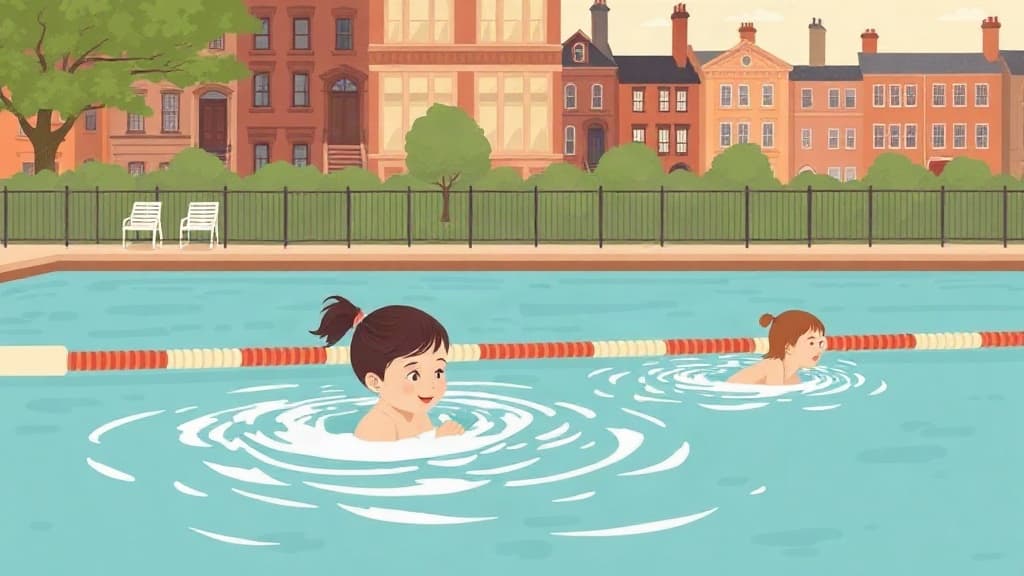
First, Know That This Is Incredibly Common
Your toddler splashes happily in the bathtub. They beg to go to the sprinkler park. They cling to you in the ocean like you're their personal flotation device — in the best possible way. And then you sign them up for swim lessons, and they lose it the moment a stranger reaches for them at the pool edge.
This is one of the most common things NYC swim instructors see, and it has nothing to do with whether your child likes water. It's about stranger anxiety, unpredictable environments, and being asked to do something new without you right there. It's developmental, not a red flag — and it's definitely not a reason to give up on lessons altogether.
Swimming is genuinely one of the few childhood skills that falls into the safety-critical category. Drowning is a leading cause of accidental death in young children, and NYC families spend summers near pools, at the beach, and on boats. The stakes make it worth pushing through early resistance thoughtfully — not forcing, but not quitting either.
Give It More Time Than You Think You Need
The hardest thing to hear when your child is crying at the pool is: give it a few more weeks. But the 2–3 session rule is real. Many kids who sobbed through their first two lessons walk confidently to the instructor by week four. Instructors who work with young children know this and expect it — a good one won't take it personally and will spend those early sessions just building trust before asking much of your child at all.
If your child is upset but not in genuine distress — if they calm down once they're in the water, or stop crying between activities — that's actually a sign that progress is happening. Resistance at the handoff is different from misery throughout the lesson.
That said, if your child is inconsolable every single session for a month with no sign of improvement, that's useful information too. The goal isn't to white-knuckle through something that clearly isn't working — it's to give a real format a genuine shot before deciding to switch.
Rethink the Format Before You Quit Entirely
If private lessons aren't clicking, don't assume lessons in general are the problem. Format matters enormously for toddlers, and switching can make a surprising difference.
Try Parent-and-Tot Classes
For kids under 4 (and sometimes up to 4 or 5 depending on the program), parent-in-water classes let your child experience the pool on their own terms with you right there as the secure base. This can be a game-changer for anxious kids — they get used to the water, the instructor's voice, and the pool environment without the stress of separation. Once they're comfortable, the transition to independent lessons tends to go much more smoothly.
Asphalt Green on the Upper East Side is known for offering parent-in-water options for children up to age 4, making it a strong choice for families who need to slow down the transition timeline.
Consider Group Lessons
Some kids actually do better in a small group than in a one-on-one private lesson. The dynamic shifts — they watch other kids, they feel less singled out, and there's often a more playful energy to group instruction. If you've been trying privates, a small-group class might be worth a try.
Switch the Instructor
This one can feel awkward to ask for, but good swim programs expect it and make it easy. Instructor fit is real and personal — some kids click with a quieter, slower-paced teacher, others respond better to high energy and silliness. Gender can also be a factor for some children. If your child has had three or four sessions with no progress and no warmth toward the instructor, ask the program if you can try someone else. It's not a criticism; it's just finding the right match.
Goldfish Swim School on the Upper East Side is frequently noted for being flexible and accommodating about instructor switching, which can take a lot of pressure off families navigating this exact situation.
Practical Strategies That Actually Help
- Visit the pool before the first lesson. If your program allows it, bring your child to just watch a class — no pressure to get in. Familiarity with the sights, sounds, and smell of the pool can reduce the shock of the first lesson.
- Let them bring one small comfort item to the pool deck. A favorite toy that waits on the bench while they swim can feel like an anchor.
- Keep your goodbye short and confident. Long, apologetic handoffs can signal to your child that there's something to worry about. Hand them over warmly and move out of their line of sight — hovering often makes things harder.
- Build in a small post-lesson ritual. A special snack, a sticker, or even just a specific song on the walk home gives kids something to look forward to and helps them associate lessons with something positive.
- Talk about swimming at home, casually and positively. Books about swimming, bath games that mimic kicking and blowing bubbles, even watching older kids swim at the pool can all prime a hesitant child.
Programs That Are Known for Working Well With Anxious Kids
Not every swim program is equally equipped to handle slow-to-warm toddlers, and in a city with as many options as New York, it's worth being selective.
JCC Manhattan has a well-regarded aquatics program with experienced instructors who work regularly with young children and families navigating first-time lesson anxiety. The environment tends to feel community-oriented rather than high-pressure, which can help.
Asphalt Green is a longtime NYC favorite for families, with a large, well-maintained aquatic facility and programming designed specifically for the youngest swimmers — including those who need more time in the water with a parent before going solo.
Goldfish Swim School on E. 80th Street uses a structured curriculum but is known for being genuinely flexible with families — whether that means switching instructors, adjusting pace, or offering guidance when things aren't clicking.
When to Actually Take a Break
Persistence is usually the right call with swim lessons, but there are situations where a short pause makes sense. If your child is approaching a developmental leap, dealing with a big transition (new sibling, new school, a move), or showing signs of genuine trauma around the water, a few weeks off followed by a fresh start can work better than grinding through.
Age matters too. A 2-year-old who's melting down may simply not be developmentally ready for structured instruction yet — parent-and-tot classes are probably a better fit for another few months. By 3 and certainly by 4, most kids have the attention span and social readiness to make real progress in lessons, even if the first few sessions are bumpy.
The goal is a child who feels safe and capable in the water — not one who associates swimming with stress. Moving slowly and thoughtfully isn't giving up; it's parenting smartly.
Places mentioned

JCC Manhattan
A 14-story community hub on the Upper West Side offering 1,200+ programs per season — from infant classes and parenting groups to swim lessons, day camp (ages 3–5), youth sports, music, cooking, and arts. Open to all.
Upper West Side
Goldfish Swim School – UES E. 80th Street
Play-based swim lessons for ages 4 months–12 years in a heated 90°F indoor pool on the Upper East Side, with max 4 students per class.
Upper East Side

Asphalt Green
Manhattan's only Olympic-sized pool, plus youth sports, swim lessons, and camps for kids from 4 months through teens on the Upper East Side.
Upper East Side