NYC Winter Newborn Essentials: What Manhattan Parents Actually Need
A practical gear and layering checklist for February newborns in a city built for walking — not driving
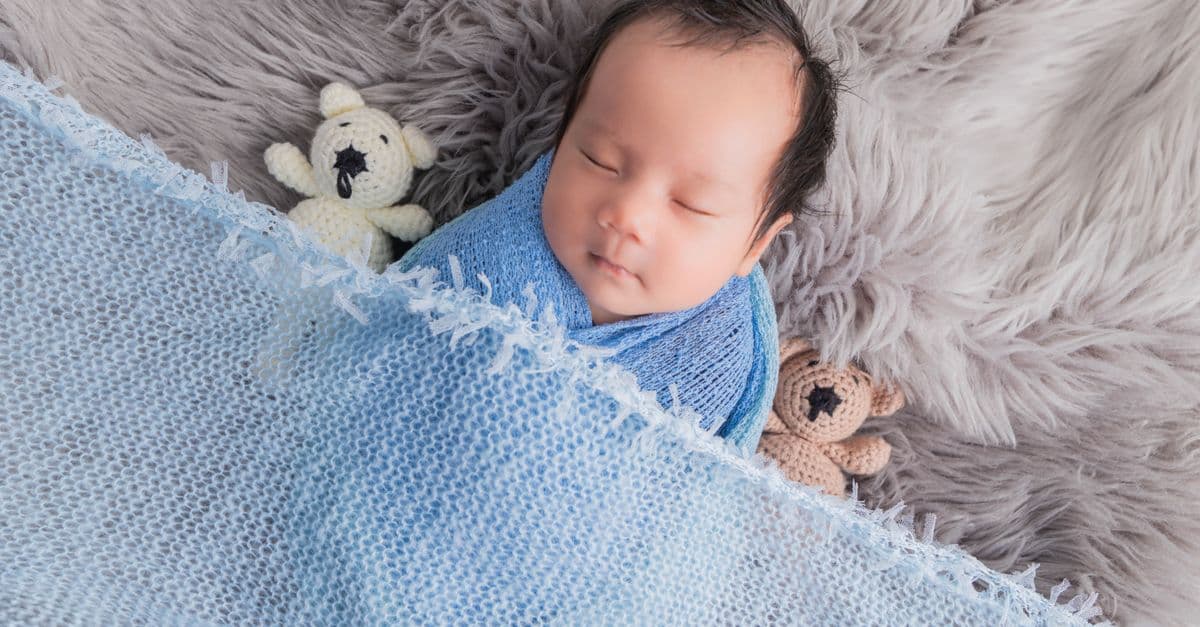
The Manhattan Newborn in February: A Specific Kind of Challenge
Having a newborn in February anywhere is intense. Having one in Manhattan means you're also factoring in subway stairs, crosstown winds that cut straight through everything, and the very real likelihood that you'll be on foot before your baby is two weeks old — whether you planned to be or not. You'll need diapers. You'll need coffee. You'll need to figure out how to get both without freezing your kid.
The good news: Manhattan parents have quietly workshopped this exact problem for years, and the consensus gear list is actually pretty manageable. Here's what's worth buying, what you can skip, and how to think about layering a newborn in one of the coldest, windiest urban environments around.
Stroller Setup: Keeping Baby Warm Without Overdressing
The cardinal rule with newborns in strollers is that you can't rely on a bulky snowsuit to do the work — puffy outerwear compresses under harness straps and creates dangerous slack. Instead, the approach that works is thin base layers on the baby plus an external cover that attaches to the stroller itself.
The UPPAbaby Ganoosh
If you have an UPPAbaby Cruz or Vista (both extremely common in Manhattan), the UPPAbaby Ganoosh footmuff is one of the most-recommended purchases in this category. It zips directly onto the seat, keeps drafts out from every angle, and is warm enough for genuinely cold New York days without requiring you to bundle the baby in layers underneath. Your newborn can be in a footed onesie and a light fleece inside the Ganoosh and be completely comfortable at 25°F. It's not cheap, but it replaces a lot of other gear you might otherwise buy.
If you have a different stroller, look for any universal footmuff — the principle is the same. A fleece-lined bag that attaches to the frame and covers the baby from feet to chest is the move.
7AM Enfant Stroller Mitts
These go on the stroller handlebar, not on your baby. The 7AM Enfant Warmmuffs are designed for the parent pushing the stroller, and in February in Manhattan, they are genuinely excellent. Your hands stay warm without the awkward dexterity loss of bulky gloves, which matters when you're navigating crosswalk buttons, phone screens, and coffee cups simultaneously. Worth it if you're planning to be out regularly.
Rain and Wind Shields
A clear stroller rain cover doubles as a wind barrier and is arguably more useful than half the specialized winter accessories on the market. Most stroller brands make a model-specific cover; universal versions work reasonably well too. This plus a footmuff is a solid complete stroller kit for a February newborn.
Babywearing in the Cold: The Coat Method
For many Manhattan parents, babywearing is actually warmer and more practical than strolling a newborn — especially in the first few weeks when you're doing short trips and navigating subway stations without elevators. A newborn worn against your chest benefits from your body heat, and with the right coat setup, both of you stay warm without any extra baby outerwear at all.
Size Up Your Coat or Go 3-in-1
The most popular approach is to wear your usual carrier (a stretchy wrap like the Solly or Moby, or a soft structured carrier like the Ergobaby Embrace, are common newborn picks) and then cover both of you with a coat that either zips over the baby panel or was purchased a size up specifically for this purpose. Many parents buy a cheap puffer one size larger for the winter newborn months and call it done.
If you want a more polished solution, 3-in-1 maternity and babywearing coats — brands like Seraphine, Maylily, and Mamalila make them — have zip-in panels that accommodate a carrier. They're a real investment but eliminate the awkward too-big-coat look and keep both of you properly covered.
The 7AM Enfant Nido and Carrier Covers
If you'd rather keep your existing coat and not size up, 7AM Enfant makes carrier covers that function like a cocoon around a worn baby. They're warm, they're easy to use, and they don't require any changes to your carrier or coat setup. The Nido is designed for newborns specifically. It's a lighter investment than a new coat and works well for shorter outings.
One honest note: carrier covers can feel a little awkward to put on mid-trip if the baby is already in the carrier, so they work best when you're gearing up at home before leaving.
The Doona: For Parents Who Drive (or Sometimes Do)
The Doona is a car seat that converts into a stroller in a few seconds — the wheels fold out from the base of the seat. It's expensive and it's not a full-featured stroller, but for Manhattan families who split time between cabs, rideshares, and walking, it genuinely solves a specific logistical headache. You snap it in, you ride, you roll out.
The Doona has a compatible sleeping bag-style cover for cold weather, and the compact profile makes it manageable in smaller apartments and on the subway (though it's not light). If you're planning to use a full stroller most of the time, you probably don't need both. But if your February plan involves a lot of car trips, the Doona is worth serious consideration for the newborn phase.
Layering Your Baby: The Actual Wardrobe
Newborns can't regulate their own body temperature. The general guidance is to dress them in one more layer than you're wearing — but in Manhattan, where you're moving between frigid outdoors and overheated apartments and subway cars constantly, that gets complicated fast. The answer is thin, adjustable layers rather than one big warm thing.
The Core Newborn Winter Wardrobe
- Footed onesies with fold-over mitten cuffs — these are the workhorse. They eliminate the need for separate baby mittens (which fall off constantly) and keep the hands covered. Stock several in the 0-3 month size.
- A thin cotton or merino wool onesie as a base layer — especially for babywearing, where your body heat is doing a lot of work and you don't want baby to overheat.
- A fleece or wool bunting suit — this is your outer layer for stroller outings. It keeps baby warm without being bulky enough to compromise harness fit. Look for ones that unzip easily; you'll be using them constantly.
- A warm hat that actually stays on — this is worth spending a little more on. A hat that slips off every five minutes is useless in February wind. Look for ones with a chin strap or a snug-fitting knit style.
What You Can Skip
A full snowsuit or puffer jacket is largely unnecessary for a February newborn — as noted above, it's not safe in a car seat or stroller harness, and with a good footmuff or carrier cover, you won't need one for warmth either. They're adorable. They're not essential.
Dedicated baby mittens are also skippable if you buy onesies with the fold-over cuffs. Separate mittens are genuinely difficult to keep on a newborn and tend to get lost immediately.
Indoor Essentials: Your Apartment Matters Too
Manhattan apartments in winter are often extremely dry — radiator heat pulls moisture out of the air, and that's hard on a newborn's respiratory system. A few indoor items make a real difference in the early weeks.
- Cool-mist humidifier — run it in the baby's room. It helps with congestion, dry skin, and general comfort. The cool-mist version is safer than warm-mist around a baby.
- Saline nasal spray or drops — newborns breathe through their noses, and a congested newborn is a miserable newborn. Saline drops help clear things out gently. Keep some by the changing table.
- White noise machine — less winter-specific but worth mentioning: the ambient noise of a Manhattan building (radiators clanging, street sounds, neighbors) can be rough for a light sleeper. A white noise machine in the baby's room helps a lot.
A Realistic Note on the First Few Weeks
Here's something worth saying plainly: if your baby is born in early-to-mid February, you may not do much outdoor time for the first two or three weeks anyway. Recovery, feeding schedules, and the general newborn fog mean many families don't really start regular outings until late February or March — when the worst of the cold is starting to lift. That doesn't mean you shouldn't prepare, but it does mean you don't need to buy every piece of cold-weather gear at once. Start with the stroller footmuff and good layering basics. You can fill in the rest once you figure out how you're actually moving through the city with your specific baby.
The gear that gets used most by Manhattan February parents tends to be the footmuff, the parent handlebar mitts, and a good hat that stays put. Everything else is secondary — useful, but not make-or-break.