Bassinet vs. Mini Crib for NYC Apartments: How to Decide
A first-time parent's honest breakdown of space, longevity, mobility, and secondhand strategy for small New York City homes
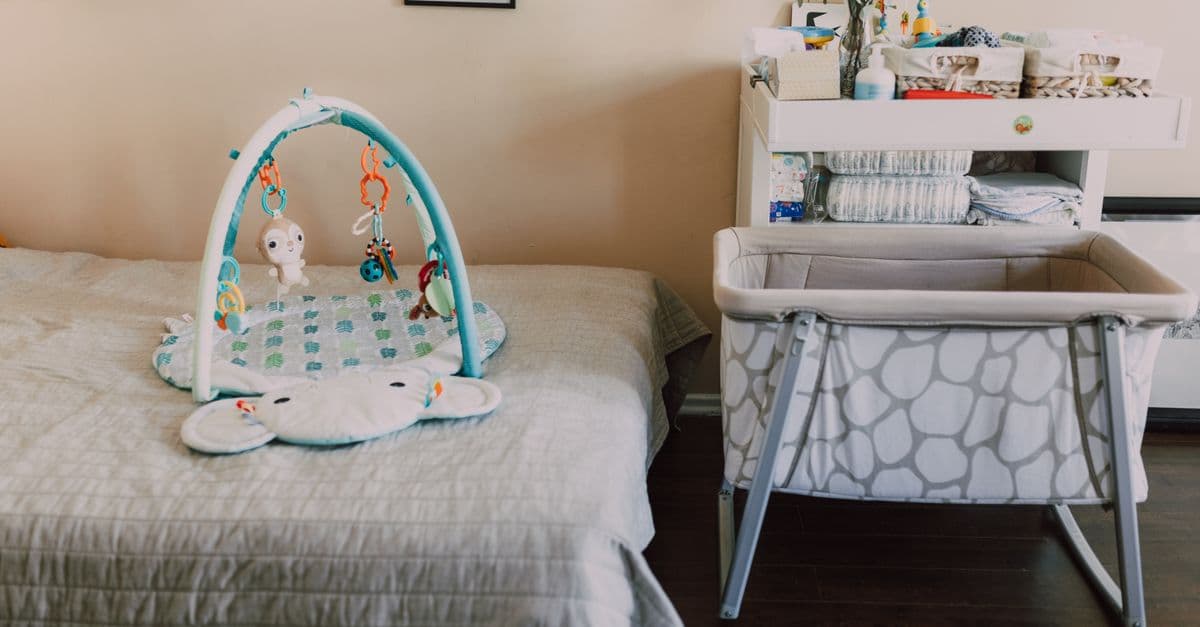
The Real Question: How Much Space Do You Actually Have?
When you're setting up a nursery in a Brooklyn one-bedroom or a Manhattan studio, every square foot matters. The bassinet vs. mini crib debate isn't just a product question — it's a logistics puzzle that depends on your floor plan, your postpartum recovery, and how long you want to use the same piece of gear before it becomes a Craigslist listing.
Here's the honest truth: most NYC parents end up buying both — a bassinet for the first couple of months and a mini crib or convertible crib as a follow-up. The goal of this guide is to help you figure out whether that's actually necessary for your situation, or whether you can skip one step entirely and save yourself the money and the storage headache.
What a Bassinet Actually Gets You
A bedside bassinet solves one specific problem beautifully: newborn night feeds. When your baby is within arm's reach, you're not walking across a dark apartment at 2 a.m., and that matters a lot — especially if you've had a C-section and bending and lifting is genuinely painful for the first few weeks.
The best bassinets for NYC apartments have a few things in common: they're narrow enough to fit beside a bed with maybe six inches to spare, they're on wheels so you can roll a sleeping baby from the bedroom to the living room without waking them, and they sit at roughly mattress height so you're not straining to pick up a baby from the floor.
Bassinets worth knowing about
- Harppa Cuddly Sway: A well-loved pick among NYC parents for its slim footprint and gentle sway motion. Wheels make it easy to maneuver through tight hallways. The mesh sides give good visibility and airflow.
- Newton Baby Bassinet: Known for its breathable mattress — useful if you're anxious about safe sleep. It's on the pricier side for something your baby will outgrow in a few months, but it resells well.
- Papablic Bassinet: A budget-friendly option that gets the job done. Straightforward, easy to assemble, and light enough to move between rooms easily.
- Arm's Reach Mini Co-Sleeper: A longtime NYC parent staple. It attaches to the side of your bed, essentially turning a section of your mattress into safe baby territory. Great for breastfeeding families. Not as sleek as newer options, but functional and well-built.
- Uppababy Stroller Bassinet with Stand: If you already have an Uppababy stroller, the bassinet attachment is approved for overnight sleep (check current guidelines before use) and the stand lets it function as a bedside bassinet. Doubles as your everyday stroller insert for the first few months — genuinely clever for a space-constrained home.
- Snoo: The Snoo comes up constantly among NYC parents, almost always in the context of renting or buying secondhand. At its original retail price it's hard to justify for a product your baby uses for maybe five months. But rented or bought used, it's a different calculation — especially if it means you sleep more.
The bassinet's real limitation
Most bassinets have a weight limit of around 20 pounds and a age cutoff when your baby starts pushing up on hands and knees — typically somewhere between 4 and 6 months. That's not a lot of runway. If you're buying a bassinet, know going in that you'll be shopping for the next sleep solution sooner than you think.
What a Mini Crib Gets You
A mini crib is essentially a full crib scaled down to roughly 24 by 38 inches, versus the standard 28 by 52 inches. In a New York City bedroom, that difference is significant. A mini crib can fit where a full crib simply won't — in a small second bedroom, in the corner of your own room, or even in a large walk-in closet repurposed as a nursery (yes, people do this, and it works).
The big advantage over a bassinet is longevity. Many babies sleep in mini cribs well past their first birthday, and some convertible mini cribs grow with your child significantly longer than that.
Mini cribs and convertible options worth considering
- Babyletto Origami Mini Crib: This one has a devoted following for good reason. It folds flat, which means you can actually store it when it's not in use — or move it to a different room without a full disassembly. It rolls easily on wheels. For a family in a one-bedroom who wants the option to fold the crib against the wall during the day, it's genuinely useful. It uses a standard mini crib mattress, which is easy to find.
- Babyletto Yuzu 8-in-1 Convertible Crib: This is the long-game pick. It starts as a mini crib and converts to a full-size crib, then a toddler bed, then a daybed. Buying this once and not buying again until your kid needs a twin bed is a real option. The upfront cost is higher, but for NYC parents who hate buying and selling gear repeatedly, it makes sense. It's also GREENGUARD Gold certified, which matters if you're in a small apartment and thinking about air quality.
- Guava Lotus Travel Crib: Technically a travel crib, but NYC parents use it as a primary sleep space with some frequency. It's approved for overnight sleep, folds into a backpack-style carry case, and fits anywhere. It's not the coziest-looking option, but if your living situation is in flux — short lease, upcoming move, frequent trips to family — it buys you flexibility. Resells easily too.
The C-Section and Low-Access Problem
If you've had abdominal surgery, getting a baby out of a low mini crib in the middle of the night is genuinely hard. This is one of the most practical reasons NYC parents start with a bassinet at mattress height before transitioning to a crib. Look for cribs that allow the mattress to sit at the highest setting for newborns — this helps significantly in the early weeks regardless of how you delivered.
Wheels matter here too. Being able to wheel a sleeping baby to wherever you need to be — whether that's the bedroom, a bathroom with a changing setup, or just the living room so your partner can sleep — is underrated. Prioritize it.
The Secondhand Strategy: How NYC Parents Manage Cost and Storage
Here's something that doesn't get said enough in product guides: buying secondhand and reselling when you're done is genuinely the smartest financial move for a lot of this gear, especially in New York City where the density of parents means there's always a market.
A few guidelines if you're going this route:
- Always buy a new mattress. This applies whether you're buying a bassinet, mini crib, or full crib secondhand. Mattresses are cheap relative to the frame, and a new mattress is a straightforward safe sleep recommendation.
- Check recall status before buying any crib secondhand. The CPSC website lets you search by product name and model. This takes five minutes and is worth doing.
- High-resale items include: the Snoo (rent or buy used, return or resell), Babyletto cribs (they hold value well), the Uppababy bassinet, and the Guava Lotus. These are worth buying used because the resale market is active and you're unlikely to take a big loss.
- Low-resale items tend to be bulkier, less stylish convertible cribs from big-box brands. These are fine products but harder to move when you're done.
- Facebook Marketplace, OfferUp, and neighborhood parent groups are all active in NYC. In dense neighborhoods — Park Slope, Astoria, Hoboken-adjacent parts of Manhattan — you can often find near-mint condition gear within walking distance.
So Which One Should You Get?
There's no single right answer, but here's a decision tree that reflects how most NYC parents actually think through this:
- If you're in a true studio or sharing a one-bedroom with a partner: Start with a bassinet for the first 4–5 months, then transition to a Babyletto Origami mini crib for its foldability. Buy the bassinet used if you can, and resell it when you're done.
- If you have a dedicated room for the baby, even a small one: Skip the bassinet and go straight to a convertible mini crib like the Babyletto Yuzu. Keep a bedside monitor and accept that you'll walk to the baby at night — most parents find this less disruptive than expected after the first few weeks.
- If mobility and flexibility matter most (frequent travel, lease coming up, shared living situation): The Guava Lotus as a primary sleep space plus a portable bassinet for the first weeks is a legitimate setup.
- If budget is the primary concern: A used Arm's Reach Co-Sleeper for the newborn phase and a secondhand convertible mini crib with a new mattress will cover you from birth through toddlerhood without spending more than a few hundred dollars total.
A Few Practical Notes Before You Buy
- Measure your bedroom before ordering anything. Measure the doorways too — some cribs won't fit through a standard NYC apartment door once assembled.
- Mini crib mattresses are not the same size as standard crib mattresses. Make sure you're buying the right one.
- Assembly instructions for budget cribs are often terrible. Look for video tutorials on YouTube before you start, not after.
- If you're registering for a baby shower, put the bassinet on the registry and buy the crib yourself secondhand. Registry gifts are often bought new; the crib is an easy place to save money.
Whatever you choose, you'll figure it out. NYC apartments have hosted many generations of newborns in surprisingly small spaces, and your baby will sleep just fine — eventually.